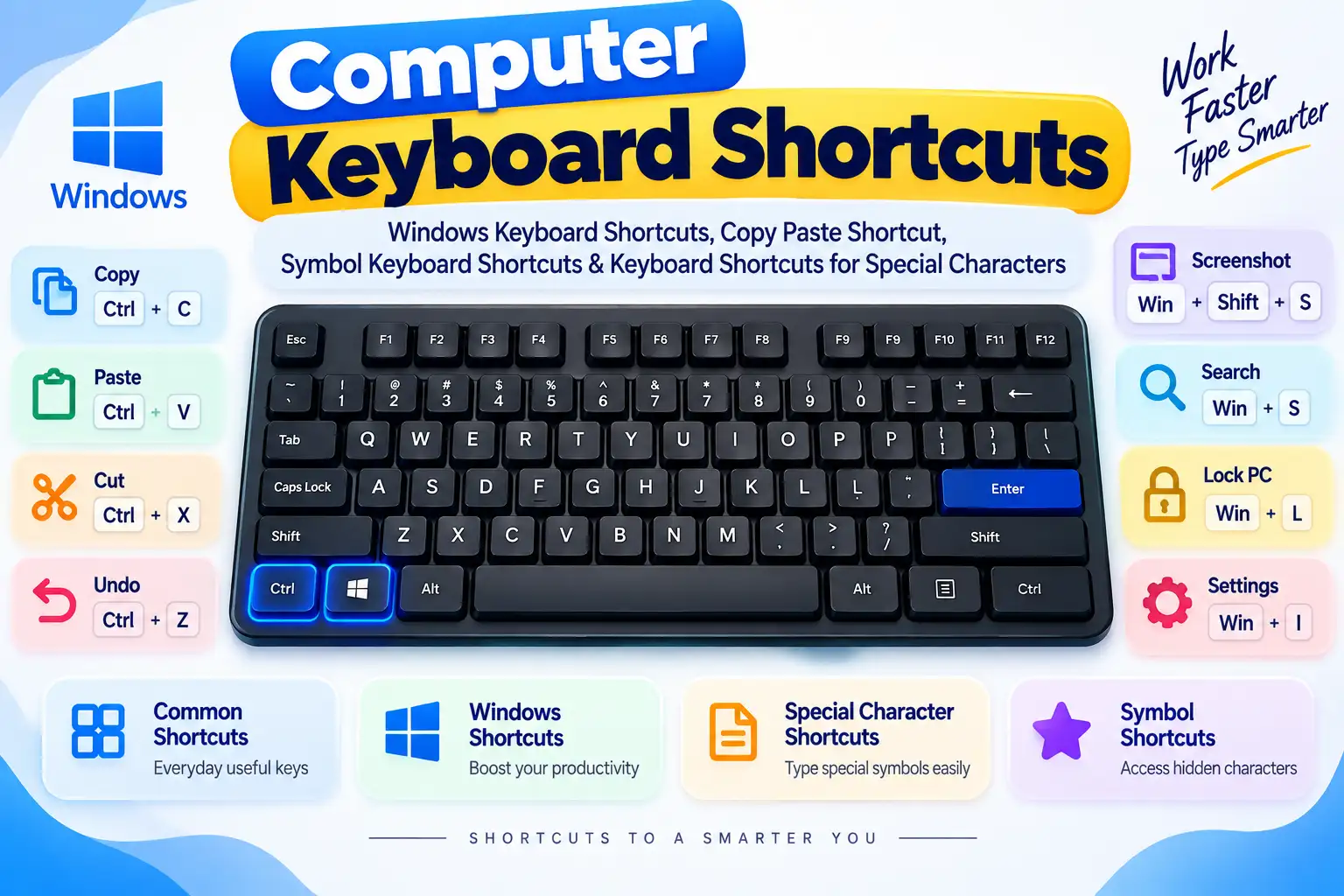
How to Type K with Accent (ḱ, ǩ, ķ, ḳ): Windows, Mac, Word & Mobile Shortcuts
Need to know how to type K with accent marks (ķ, ǩ, ƙ, ḳ, ḵ, ḱ, ĸ, Ķ, Ǩ, Ƙ, Ḳ, Ḵ, Ḱ) on your computer or phone? Use our 1-click copy chips below or follow our verified shortcuts for Windows Alt codes (Alt + 0311 / Alt + 0489), Mac Option keys (Option + c then k), Microsoft Word Unicode converter (0137 + Alt + X), Latvian k, Sámi caron k, Semitic underdot ?, Hausa hook ?, and our complete A to Z accent letters directory.
CLICK TO COPY K WITH ACCENTS INSTANTLY
Unicode: U+0137•Windows: Alt + 0311•Word: 0137 + Alt + X•Mac: Option + c, k•HTML: ķ
The consonant K with diacritical modifications appears across national European alphabets (Latvian k, Skolt Sámi k), Macedonian transliteration (ḱ), Semitic linguistic romanization (ḳ, ḵ), African orthographies (ƙ), and historical Arctic writing (ĸ). Below is your complete cross-platform reference table:
Character & Accent Name
Glyph
Windows Alt Code
Word Shortcut
Mac Shortcut
Language / Usage
Unicode / HTML
K with Cedilla (Comma Below)
k / K
Alt+0311 / Alt+0310
Type 0137 then Alt+X
Opt+c, then k (ABC Ext)
Latvian palatal stop /c/
U+0137 | ķ
K with Caron (Hácek)
k / K
Alt+0489 / Alt+0488
Type 01E9 then Alt+X
Opt+v, then k (ABC Ext)
Skolt Sámi palatal affricate /c?ç/
U+01E9 | ǩ
K with Acute
ḱ / ḱ
Alt+7729 / Alt+7728
Type 1E31 then Alt+X
Opt+e, then k (ABC Ext)
Macedonian Cyrillic ? transliteration
U+1E31 | ḱ
K with Underdot
ḳ / ḳ
Alt+7731 / Alt+7730
Type 1E33 then Alt+X
Character Viewer / Combining Underdot
Arabic Qaf (ق) transliteration
U+1E33 | ḳ
K with Line Below
ḵ / ḵ
Alt+7733 / Alt+7732
Type 1E35 then Alt+X
Character Viewer / Combining Line Below
Biblical Hebrew Kaph spirantization
U+1E35 | ḵ
K with Hook (African K)
ƙ / ƙ
Alt+0409 / Alt+0408
Type 0199 then Alt+X
Character Viewer / African Alphabets
Hausa velar ejective /k'/
U+0199 | ƙ
Greenlandic Kra
ĸ
Alt+0312
Type 0138 then Alt+X
Character Viewer
Historic Greenlandic uvular /q/
U+0138 | ĸ
WINDOWS OS
How to Type K with Accent on Windows (5 Methods)
Windows personal computers offer multiple hardware and software pathways to insert K with accent marks:
Method 1: Windows Alt Codes (Numeric Keypad)
Using the separate 10-key numeric keypad on the right side of your keyboard, hold down the Alt key and type the numerical code:
Method 2: Microsoft Word Unicode Hex Converter (Alt + X)
In any modern version of Microsoft Word, WordPad, or LibreOffice Writer on Windows:
1
Cedilla (k): Type 0137 and immediately press Alt + X → converts to k. (For capital K: type 0136 + Alt + X).
2
Caron (k): Type 01E9 and immediately press Alt + X → converts to k. (Capital K: 01E8 + Alt + X).
3
Acute (ḱ): Type 1E31 and immediately press Alt + X → converts to ḱ. (Capital Ḱ: 1E30 + Alt + X).
4
Underdot (ḳ): Type 1E33 and immediately press Alt + X → converts to ḳ. (Capital Ḳ: 1E32 + Alt + X).
5
Line Below (ḱ): Type 1E35 and immediately press Alt + X → converts to ḵ. (Capital Ḵ: 1E34 + Alt + X).
6
Hook (ḱ): Type 0199 and immediately press Alt + X → converts to ƙ. (Capital Ƙ: 0198 + Alt + X).
Method 3: Windows Emoji & Symbol Panel (Win + .)
Press Win + . (Windows Key + Period) or Win + ;.
Click the Symbols (Ω) icon at the top → navigate to Latin Symbols → click k or k.
APPLE MACOS
How to Type K with Accent on Mac (macOS)
Apple macOS provides native press-and-hold menus and ABC Extended dead keys for K accents:
Method 1: ABC Extended Keyboard Input
If you enable the ABC - Extended layout in macOS System Settings → Keyboard → Input Sources:
Cedilla (k): Press Option + c, release, then press k → gives k. (Capital K: Option + c, then Shift + K).
Caron (k): Press Option + v, release, then press k → gives k. (Capital K: Option + v, then Shift + K).
Acute (ḱ): Press Option + e, release, then press k → gives ḱ.
Method 2: Press-and-Hold Accent Menu (Built-in on macOS)
On a Mac keyboard, press and hold down the letter k (or Shift + k for capital). When the diacritics bubble appears, press the corresponding number or click k.
Method 3: macOS Character Viewer (Ctrl + Cmd + Space)
Press Ctrl + Cmd + Space to open Character Viewer.
Search for k cedilla or k caron, then double-click k or k.
OFFICE SUITE
How to Type K with Accent in Microsoft Word, PowerPoint & Excel
Microsoft Word Shortcuts
k (Cedilla): Type 0137 then press Alt + X. For capital K: type 0136 + Alt + X.
k (Caron): Type 01E9 then press Alt + X. For capital K: type 01E8 + Alt + X.
ḱ (Acute): Type 1E31 then press Alt + X.
ḳ (Underdot): Type 1E33 then press Alt + X.
ḵ (Line Below): Type 1E35 then press Alt + X.
ƙ (Hook): Type 0199 then press Alt + X.
Microsoft Excel Formulas
In Excel spreadsheets and formulas, dynamically output K-accent characters using UNICHAR:
How to Type K with Accent on iPhone, iPad & Android
iOS (Apple iPhone and iPad)
Press and hold down the letter k on the virtual touchscreen keyboard.
A popup bubble displaying k will appear. Slide your finger across and lift to insert.
Android (Google Gboard & Samsung Keyboard)
On Gboard and Samsung keyboards, press and hold down the k key.
Slide your thumb across the popup row to select k.
LINGUISTIC & GRAMMAR RULES
Linguistic, Historical & Grammatical Significance of K-Accent Marks
Diacritically modified forms of K represent crucial phonetic distinctions across Baltic, Finno-Ugric, Slavic, Semitic, and African language families:
Latvian Orthography: The Palatal Stop (k / K)
In Latvian (a Baltic language), the letter k represents the voiceless palatal plosive /c/ (phonetically contrasting with the velar plosive /k/):
Typographical Comma Below: Although encoded historically as "K with cedilla" in Unicode (U+0137), Latvian typographic convention dictates that the diacritic is drawn as a small attached comma (comma below) rather than a curly French cedilla.
Minimal Pairs & Phonemic Contrast: Contrasts directly with plain /k/, as in kakis ("cat"), kirsis ("cherry"), kiploks ("garlic"), kede ("chain"), and škinkis ("ham").
Skolt Sámi: The Palatal Affricate Caron (k / K)
In Skolt Sámi (spoken in northern Finland and adjacent parts of the Kola Peninsula in Russia):
Phonetic Value: The letter k represents the voiceless palatal affricate /c?ç/ or palatalized velar plosive /k?/.
Essential Sámi Vocabulary: Found in words like keä't ("house / winter hut") and ke'rjj ("book / letter").
Macedonian Cyrillic Transliteration: K with Acute (Ḱ / ḱ)
In the standard romanization of the Macedonian language:
Cyrillic Correspondence: The letter ḱ directly transliterates the Macedonian Cyrillic letter Ѓ / ѓ (representing the voiceless palatal plosive /c/), as in куќа → kuća ("house"), ноќ → noć ("night"), and браќа → braća ("brothers").
Semitic & Arabic Transliteration: K with Underdot (Ḳ / ḳ)
In academic Orientalist romanization systems (DMG, DIN 31635, ISO 233):
Arabic Qaf Transliteration: The underdot letter ḳ transliterates the Arabic consonant Qaf (ق /q/), representing a voiceless uvular stop (contrasting with Kaf ك /k/), e.g., al-Qurʼān ("the Quran"), Dimashq ("Damascus"), and Ḥaqīqah ("truth / reality").
Biblical Hebrew: K with Line Below (Ḵ / ḵ)
In Hebraic academic transliteration:
Begadkefat Spirantization: The letter ḵ (K with line below / macron below) transliterates the spirantized, non-dagesh allophone of the Hebrew letter Kaph (כ / ך /x/, pronounced like 'ch' in German Bach or Scottish loch), as in Bərakhah ("blessing") and Melakhah ("work").
West African Hausa: K with Hook (Ƙ / ƙ)
In the Hausa language (Chadic branch of Afroasiatic, spoken across Nigeria and Niger):
Velar Ejective Consonant: The hooked letter ƙ represents the voiceless velar ejective /k'/ produced with glottalic airstream mechanism. It contrasts phonemically with plain k (/k/), found in essential words like ƙasa ("earth / country"), ƙofa ("door"), and ƙarfi ("strength / power").
Arctic Greenlandic: The Historical Kra (ĸ)
In Kalaallisut (Greenlandic Eskimo-Aleut):
Historical Orthography: Before the 1973 orthographic reform, the unique letter ĸ (Kra, lowercase only) was used to represent the voiceless uvular plosive /q/. Modern Greenlandic spelling replaced ĸ with standard Latin q.
For software developers, web designers, database architects, and LaTeX typesetters, below is the complete technical character specification for all K-accent variations:
Character
Unicode Code Point
HTML Named Entity
HTML Decimal / Hex
CSS Escape
JavaScript / Python
k (Lowercase Cedilla)
U+0137
ķ
ķ / ķ
\0137
"\u0137"
K (Capital Cedilla)
U+0136
Ķ
Ķ / Ķ
\0136
"\u0136"
k (Lowercase Caron)
U+01E9
None
ǩ / ǩ
\01E9
"\u01E9"
K (Capital Caron)
U+01E8
None
Ǩ / Ǩ
\01E8
"\u01E8"
ḱ (Lowercase Acute)
U+1E31
None
ḱ / ḱ
\1E31
"\u1E31"
Ḱ (Capital Acute)
U+1E30
None
Ḱ / Ḱ
\1E30
"\u1E30"
ḳ (Lowercase Underdot)
U+1E33
None
ḳ / ḳ
\1E33
"\u1E33"
Ḳ (Capital Underdot)
U+1E32
None
Ḳ / Ḳ
\1E32
"\u1E32"
ḵ (Lowercase Line Below)
U+1E35
None
ḵ / ḵ
\1E35
"\u1E35"
Ḵ (Capital Line Below)
U+1E34
None
Ḵ / Ḵ
\1E34
"\u1E34"
ƙ (Lowercase Hook)
U+0199
None
ƙ / ƙ
\0199
"\u0199"
Ƙ (Capital Hook)
U+0198
None
Ƙ / Ƙ
\0198
"\u0198"
ĸ (Greenlandic Kra)
U+0138
None
ĸ / ĸ
\0138
"\u0138"
Visual Guide: Typing accented K letters, Alt codes, and dead key shortcuts across all platforms
FREQUENTLY ASKED QUESTIONS
Frequently Asked Questions About Typing K with Accents
The Alt code for k (K with cedilla / comma below) is Alt + 0311, and for capital K it is Alt + 0310. For k (K with caron), use Alt + 0489 (capital K is Alt + 0488). For ḱ (K with acute), use Alt + 7729. For ḳ (K with underdot), use Alt + 7731. For ḵ (K with line below), use Alt + 7733.
On macOS with the ABC Extended input source enabled, press Option + c, release, then press k to get k. For k (caron), press Option + v then k. For ḱ (acute), press Option + e then k. Alternatively, press and hold the k key on your keyboard to reveal the diacritics popup menu.
In Microsoft Word on Windows, type the hexadecimal code 0137 and immediately press Alt + X to convert it to k. For capital K, type 0136 and press Alt + X. For k, type 01E9 and press Alt + X. For ḱ, type 1E31 and press Alt + X. For ḳ, type 1E33 and press Alt + X.
In the Latvian alphabet, k represents the voiceless palatal plosive /c/ (phonetically contrasting with the velar plosive /k/). In standard typography, it is rendered with a small comma-like diacritic attached below the stem. Essential Latvian words include kirsis 'cherry', kiploks 'garlic', kakis 'cat', kede 'chain', and škinkis 'ham'.
The character k (Unicode U+01E9) is used in Skolt Sámi (a Uralic language spoken in northern Finland and Russia) and phonetic transliteration systems to represent the voiceless palatal affricate /c?ç/ or palatalized velar plosive /k?/. Examples include keä't 'house/hut' and ke'rjj 'book'.
In scientific transliteration systems of Semitic languages (such as the German Oriental Society DMG and DIN 31635 standards for Arabic), ḳ (Unicode U+1E33) transliterates the Arabic letter Qaf (ق /q/), representing a voiceless uvular plosive, as in al-Qurʼān (the Quran) and Dimashq (Damascus).
In the Hausa language of West Africa (Pan-Nigerian alphabet), ƙ (Unicode U+0199) represents a voiceless velar ejective consonant /k'/. It is phonemically distinct from standard k, found in words such as ƙasa 'earth/ground', ƙofa 'door', and ƙarfi 'strength'.
On iOS and Android virtual keyboards, press and hold down the letter k (or capital K). A popup bubble displaying k and other regional variations will appear. Slide your finger across to select it and release.
A TO Z ACCENT LETTERS & DIACRITICS DIRECTORY
A to Z Accent Letters Hub & Related Diacritics Guides
Need to type other accented letters, umlauts, tildes, cedillas, or special characters? Explore our dedicated accent directories and interactive typing tools below: