How to Type M with Accent (ḿ, ṁ, ṃ): Windows, Mac, Word & Mobile Shortcuts
Need to know how to type M with accent marks (ṁ, ṃ, m̃, ḿ, ɱ, ᵯ, Ṁ, Ṃ, M̃) on your computer or phone? Use our 1-click copy chips below or follow our verified shortcuts for Windows Alt codes (Alt + 7743 / Alt + 7745), Mac Option keys (Option + e then m), Microsoft Word Unicode converter (1E3F + Alt + X), Chinese Pinyin ?, Irish ?, Sanskrit Anusvara ?, Guaraní m~, and our complete A to Z accent letters directory.
CLICK TO COPY M WITH ACCENTS INSTANTLY
Unicode: U+1E3F•Windows: Alt + 7743•Word: 1E3F + Alt + X•Mac: Option + e, m•HTML: ḿ
The letter M with diacritical marks plays essential phonetic roles in Chinese tonal Pinyin (ḿ, m`), traditional Irish Gaelic (ṁ), Sanskrit IAST (ṃ), South American Guaraní (m̃), and phonetic linguistics (ɱ). Below is your complete cross-platform reference table:
Character & Accent Name
Glyph
Windows Alt Code
Word Shortcut
Mac Shortcut
Language / Usage
Unicode / HTML
M with Acute
ḿ / ḿ
Alt+7743 / Alt+7742
Type 1E3F then Alt+X
Opt+e, then m (ABC Ext)
Chinese Pinyin Tone 2 & Yoruba
U+1E3F | ḿ
M with Dot Above (Ponc Séimhithe)
ṁ / ṁ
Alt+7745 / Alt+7744
Type 1E41 then Alt+X
Opt+., then m (ABC Ext)
Traditional Irish Gaelic lenition
U+1E41 | ṁ
M with Underdot (Anusvara)
ṃ / ṃ
Alt+7747 / Alt+7746
Type 1E43 then Alt+X
Character Viewer / Combining Underdot
Sanskrit IAST (Anusvara ṃ)
U+1E43 | ṃ
M with Tilde
m~ / M~
Type 006D then 0303Alt+X
Type 006D then 0303Alt+X
Opt+n, then m (ABC Ext)
Guaraní nasalized consonant
U+006D+0303
M with Hook (Labiodental Nasal)
ɱ
Alt+0625
Type 0271 then Alt+X
Character Viewer / IPA Symbols
IPA labiodental nasal in symphony
U+0271 | ɱ
WINDOWS OS
How to Type M with Accent on Windows (5 Methods)
Windows personal computers offer multiple hardware and software pathways to insert M with accent marks:
Method 1: Windows Alt Codes (Numeric Keypad)
Using the separate 10-key numeric keypad on the right side of your keyboard, hold down the Alt key and type the numerical code:
ḿ (Acute):Alt + 7743 | Ḿ (Capital):Alt + 7742
ṁ (Dot Above):Alt + 7745 | Ṁ (Capital):Alt + 7744
ṃ (Underdot):Alt + 7747 | Ṃ (Capital):Alt + 7746
ɱ (Hook):Alt + 0625
Method 2: Microsoft Word Unicode Hex Converter (Alt + X)
In any modern version of Microsoft Word, WordPad, or LibreOffice Writer on Windows:
1
Acute (ḿ): Type 1E3F and immediately press Alt + X → converts to ḿ. (For capital Ḿ: type 1E3E + Alt + X).
2
Dot Above (ṁ): Type 1E41 and immediately press Alt + X → converts to ṁ. (Capital Ṁ: 1E40 + Alt + X).
3
Underdot (ṃ): Type 1E43 and immediately press Alt + X → converts to ṃ. (Capital Ṃ: 1E42 + Alt + X).
4
Hook (ɱ): Type 0271 and immediately press Alt + X → converts to ɱ.
Method 3: Windows Emoji & Symbol Panel (Win + .)
Press Win + . (Windows Key + Period) or Win + ;.
Click the Symbols (Ω) icon at the top → navigate to Latin Symbols → click ḿ or ṁ.
APPLE MACOS
How to Type M with Accent on Mac (macOS)
Apple macOS provides native press-and-hold menus and ABC Extended dead keys for M accents:
Method 1: ABC Extended Keyboard Input
If you enable the ABC - Extended layout in macOS System Settings → Keyboard → Input Sources:
Acute (ḿ): Press Option + e, release, then press m → gives ḿ. (Capital Ḿ: Option + e, then Shift + M).
Dot Above (ṁ): Press Option + ., release, then press m → gives ḿ. (Capital Ḿ: Option + ., then Shift + M).
Tilde (m~): Press Option + n, release, then press m → gives m~.
Method 2: Press-and-Hold Accent Menu (Built-in on macOS)
On a Mac keyboard, press and hold down the letter m (or Shift + m for capital). When the diacritics bubble appears, press the corresponding number or click ḿ.
Method 3: macOS Character Viewer (Ctrl + Cmd + Space)
Press Ctrl + Cmd + Space to open Character Viewer.
Search for m acute or m dot, then double-click ḿ or ṁ.
OFFICE SUITE
How to Type M with Accent in Microsoft Word, PowerPoint & Excel
Microsoft Word Shortcuts
ḿ (Acute): Type 1E3F then press Alt + X. For capital Ḿ: type 1E3E + Alt + X.
ṁ (Dot Above): Type 1E41 then press Alt + X. For capital Ṁ: type 1E40 + Alt + X.
ṃ (Underdot): Type 1E43 then press Alt + X. For capital Ṃ: type 1E42 + Alt + X.
ɱ (Hook): Type 0271 then press Alt + X.
Microsoft Excel Formulas
In Excel spreadsheets and formulas, dynamically output M-accent characters using UNICHAR:
Syllabic Nasals as Standalone Syllables: In Chinese phonology, the bilabial nasal consonant 'm' can function as an independent syllabic nucleus capable of carrying all four standard tones.
Second Rising Tone (ḿ): Written with an acute accent (ḿ, corresponding to Chinese character 呒), used as an interjection expressing surprised questioning, identical to English "huh?" or "what?".
Fourth Falling Tone (m`): Written with a grave accent (m`), expressing affirmative acknowledgement, identical to English "hm" or "yes".
African Tonal Languages (Yoruba & Igbo): In Nigerian Niger-Congo languages, ḿ marks a high-pitched tone on a syllabic nasal prefix (e.g. Igbo first-person singular possessive/pronoun forms).
Traditional Irish Gaelic: Lenition & Ponc Séimhithe (Ṁ / ṁ)
In classical Gaelic orthography (Cló Gaelach):
The Ponc Séimhithe (Overdot): The dot placed directly above ṁ (historically termed buailte or ponc séimhithe) indicated consonant mutation (lenition / softening).
Phonetic Mutation: Lenition shifted the unlenited bilabial nasal /m/ to a voiced labial fricative /v/ (broad) or /w/ (slender).
Modern Irish Digraph Representation: In modern Roman type spelling adopted in the mid-20th century, ṁ is written as the digraph mh (e.g. mo ṁáthair → mo mháthair "my mother", ṁeall → mheall "deceived").
Sanskrit IAST: The Anusvara Underdot (Ṃ / ṃ)
In Indological linguistics and Sanskrit transliteration (IAST & ISO 15919):
The Anusvara (ं / ṃ): The character ṃ (M with underdot) represents the pure nasal sound produced when a vowel is nasalized before a following consonant.
Phonological Significance: In Vedic chanting and classical Paninian grammar, the Anusvara assimilates to the place of articulation of the subsequent stop consonant.
Essential Classical Sanskrit Terms: Found in Sa?skήταm ("Sanskrit language"), Ahi?sa ("non-violence"), O? / Aum (sacred syllable), Sa?sara ("cycle of rebirth"), and Brahma sa?hita.
Nasal Harmony: Guaraní exhibits pervasive nasal harmony where vowels and consonants harmonize into nasalized or oral prosody. The tilde over m~ marks distinct nasalized articulation.
International Phonetic Alphabet: Labiodental Nasal (ɱ)
In the International Phonetic Alphabet (IPA):
Labiodental Articulation: The symbol ɱ represents the voiced labiodental nasal consonant, produced with the lower lip touching the upper front teeth.
Allophonic Occurrence in English & Romance: Occurs naturally as an allophone of /m/ or /n/ before labiodental fricatives 'f' and 'v', as in English symphony [ˈsɪɱfəni], comfort [ˈkʌɱfət], and Spanish enfermo [eɱˈfeɾmo].
For software developers, web designers, database architects, and LaTeX typesetters, below is the complete technical character specification for all M-accent variations:
Character
Unicode Code Point
HTML Named Entity
HTML Decimal / Hex
CSS Escape
JavaScript / Python
ḿ (Lowercase Acute)
U+1E3F
None
ḿ / ḿ
\1E3F
"\u1E3F"
Ḿ (Capital Acute)
U+1E3E
None
Ḿ / Ḿ
\1E3E
"\u1E3E"
ṁ (Lowercase Dot Above)
U+1E41
None
ṁ / ṁ
\1E41
"\u1E41"
Ṁ (Capital Dot Above)
U+1E40
None
Ṁ / Ṁ
\1E40
"\u1E40"
ṃ (Lowercase Underdot)
U+1E43
None
ṃ / ṃ
\1E43
"\u1E43"
Ṃ (Capital Underdot)
U+1E42
None
Ṃ / Ṃ
\1E42
"\u1E42"
ɱ (Labiodental Nasal)
U+0271
None
ɱ / ɱ
\0271
"\u0271"
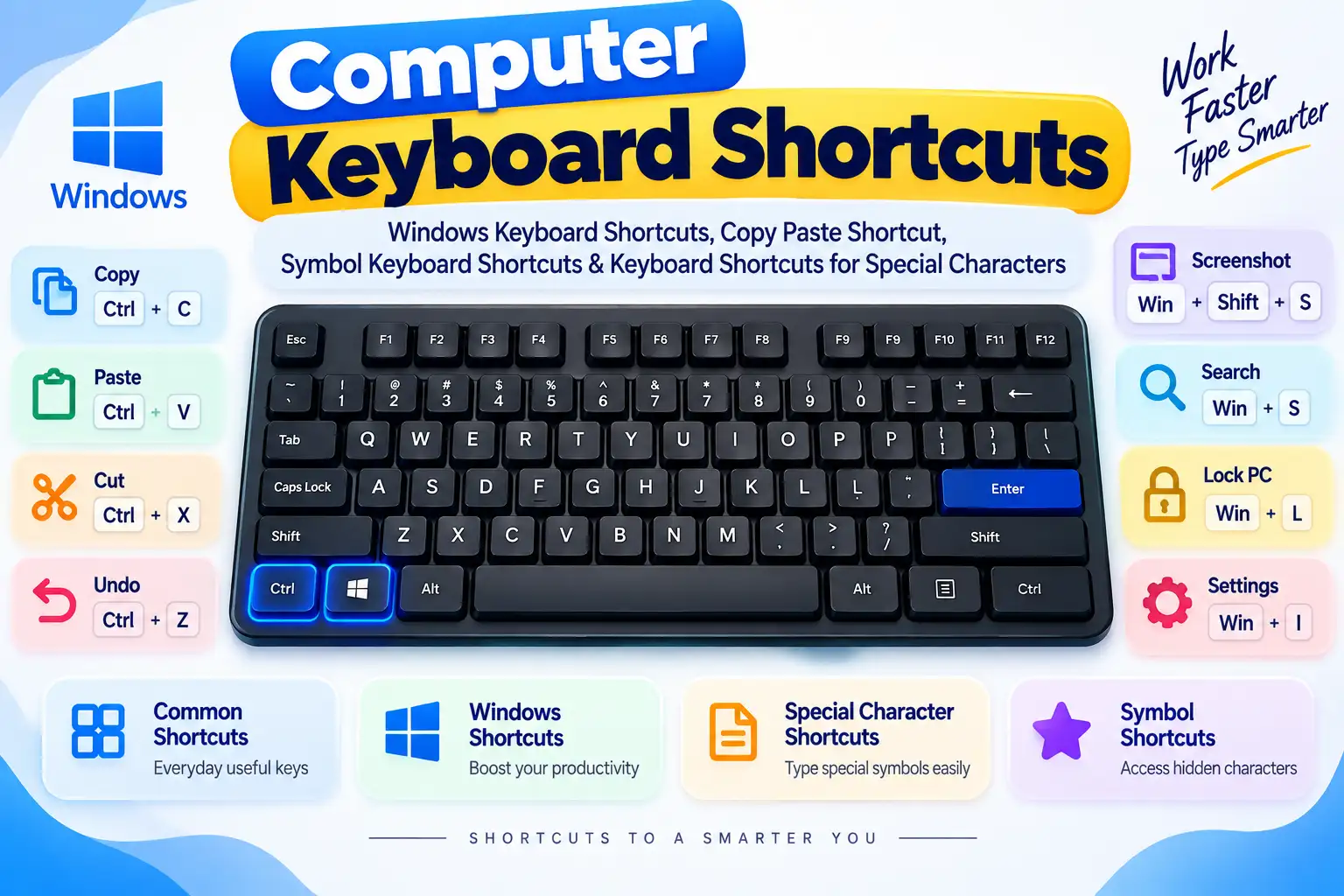
Visual Guide: Typing accented M letters, Alt codes, and dead key shortcuts across all platforms
FREQUENTLY ASKED QUESTIONS
Frequently Asked Questions About Typing M with Accents
The Alt code for ḿ (M with acute) is Alt + 7743, and for capital Ḿ it is Alt + 7742. For ṁ (M with dot above), use Alt + 7745 (capital Ṁ is Alt + 7744). For ṃ (M with underdot), use Alt + 7747 (capital Ṃ is Alt + 7746). For ɱ (M with hook), use Alt + 0625.
On macOS with the ABC Extended input source enabled, press Option + e, release, then press m to get ḿ. For ṁ (dot above), press Option + . then m. For m~ (tilde), press Option + n then m. Alternatively, press and hold the m key on your keyboard to reveal the diacritics popup menu.
In Microsoft Word on Windows, type the hexadecimal code 1E3F and immediately press Alt + X to convert it to ḿ. For capital Ḿ, type 1E3E and press Alt + X. For ṁ, type 1E41 and press Alt + X. For ṃ, type 1E43 and press Alt + X.
In Chinese Mandarin Pinyin, ? represents a syllabic nasal consonant carrying the second rising tone (as in ? / ?, an interjection expressing surprised questioning like 'huh?'). In African tonal languages like Yoruba and Igbo, ? marks a high tone on a syllabic nasal consonant.
In traditional Irish Gaelic orthography (Cló Gaelach), the overdot (ponc séimhithe or buailte) over 'm' indicates consonant lenition (aspiration), shifting the pronunciation from /m/ to /v/ or /w/. In modern Irish orthography, ? is written using the digraph 'mh', as in mo ?áthair → mo mháthair 'my mother'.
In the International Alphabet of Sanskrit Transliteration (IAST), ṃ represents the Anusvara (ं / ṃ), indicating a nasal sound or nasalization of the preceding vowel. Famous examples include Saṃskṛtam 'Sanskrit', Ahiṃsā 'non-violence', and Oṃ / Aum.
For ḿ use ḿ (U+1E3F); for ? use Ḿ (U+1E3E); for ? use ṁ (U+1E41); for ? use Ṁ (U+1E40); for ? use ṃ (U+1E43); for ? use Ṃ (U+1E42); for ? use ɱ (U+0271).
On iOS and Android touchscreen keyboards, press and hold down the letter m (or capital M). A popup bubble displaying ḿ, ṁ, and other regional variations will appear. Slide your finger across to select it and release.
A TO Z ACCENT LETTERS & DIACRITICS DIRECTORY
A to Z Accent Letters Hub & Related Diacritics Guides
Need to type other accented letters, umlauts, tildes, cedillas, or special characters? Explore our dedicated accent directories and interactive typing tools below: