How to Type T with Accent (ť, ț, ṫ, ṭ): Windows, Mac, Word & Mobile Shortcuts
Need to know how to type T with accent marks (ť, ț, ţ, ṫ, ṭ, ṯ, ŧ, ƭ, Ť, Ț, Ţ, Ṫ, Ṭ, Ṯ, Ŧ, Ƭ) on your computer or phone? Use our 1-click copy buttons below or follow our verified shortcuts for Windows Alt codes (Alt + 0357 / Alt + 0539 / Alt + 0355 / Alt + 0359 / Alt + 7789), Mac Option keys (Option + v, t), Microsoft Word Unicode converter (0165 + Alt + X), Czech ť, Romanian ț, Sámi ŧ, Sanskrit ṭ, and our complete A to Z accent letters directory.
CLICK TO COPY T WITH ACCENTS INSTANTLY
Unicode: U+0165•Windows: Alt + 0357 / Alt + 0356•Word: 0165 + Alt + X•Mac: Option + v, t•HTML: ť
The letter T with diacritical marks plays essential phonetic roles across Slavic languages (Czech and Slovak t), Balkan Romance languages (Romanian ț), Arctic indigenous tongues (Northern Sámi ŧ), Semitic and Indo-Aryan linguistics (Sanskrit & Arabic ṭ), Celtic historical manuscripts (ṫ), and African orthographies (ƭ). Below is your complete cross-platform reference table:
Character & Accent Name
Glyph
Windows Alt Code
Word Shortcut
Mac Shortcut
Language / Usage
Unicode / HTML
T with Caron (Hácek)
t / T
Alt+0357 / Alt+0356
Type 0165 then Alt+X
Opt+v, then t (ABC Ext)
Czech & Slovak palatal plosive (/c/)
U+0165 | ť
T with Comma Below
ț / ț
Alt+0539 / Alt+0538
Type 021B then Alt+X
Character Viewer / Romanian layout
Standard Romanian (?ara, via?a)
U+021B | ț
T with Cedilla
t / T
Alt+0355 / Alt+0354
Type 0163 then Alt+X
Opt+,, then t (ABC Ext)
Turkish/Gagauz historical transliteration
U+0163 | ţ
T with Stroke / Bar
t / T
Alt+0359 / Alt+0358
Type 0167 then Alt+X
Opt+t (ABC Ext)
Northern Sámi dental fricative (/?/)
U+0167 | ŧ
T with Dot Above
ṫ / ṫ
Alt+7787 / Alt+7786
Type 1E6B then Alt+X
Opt+., then t (ABC Ext)
Traditional Irish Gaelic lenition
U+1E6B | ṫ
T with Underdot
ṭ / ṭ
Alt+7789 / Alt+7788
Type 1E6D then Alt+X
Opt+x, then t (ABC Ext)
Sanskrit retroflex ? & Arabic emphatic ?
U+1E6D | ṭ
T with Line Below
ṯ / ṯ
Alt+7791 / Alt+7790
Type 1E6F then Alt+X
Opt+_, then t (ABC Ext)
Australian Aboriginal (Pitjantjatjara), Semitic
U+1E6F | ṯ
T with Hook
ƭ / ƭ
Alt+0429 / Alt+0430
Type 01AD then Alt+X
Character Viewer
African languages (Serer, Fula)
U+01AD | ƭ
WINDOWS OS
How to Type T with Accent on Windows (5 Methods)
Windows personal computers offer multiple hardware and software pathways to insert T with accent marks:
Method 1: Windows Alt Codes (Numeric Keypad)
Using the separate 10-key numeric keypad on the right side of your keyboard (ensure Num Lock is active), hold down the Alt key and type the numerical code:
Method 2: Microsoft Word Unicode Hex Converter (Alt + X)
In any modern version of Microsoft Word, WordPad, or LibreOffice Writer on Windows:
1
Caron (t): Type 0165 and immediately press Alt + X → converts to t. (For capital T: type 0164 + Alt + X).
2
Comma Below (ț): Type 021B and immediately press Alt + X → converts to ț. (Capital Ț: 021A + Alt + X).
3
Cedilla (t): Type 0163 and immediately press Alt + X → converts to t. (Capital T: 0162 + Alt + X).
4
Stroke (t): Type 0167 and immediately press Alt + X → converts to t. (Capital T: 0166 + Alt + X).
5
Underdot (ṭ): Type 1E6D and immediately press Alt + X → converts to ṭ. (Capital Ṭ: 1E6C + Alt + X).
6
Dot Above (ť): Type 1E6B and immediately press Alt + X → converts to ṫ. (Capital Ṫ: 1E6A + Alt + X).
7
Line Below (ť): Type 1E6F and immediately press Alt + X → converts to ṯ.
Method 3: Windows Emoji & Symbol Panel (Win + .)
Press Win + . (Windows Key + Period) or Win + ;.
Click the Symbols (Ω) icon at the top → navigate to Latin Symbols → click ť, ț, ţ, or ŧ.
APPLE MACOS
How to Type T with Accent on Mac (macOS)
Apple macOS provides native press-and-hold menus, shortcut keys, and ABC Extended dead keys for T accents:
Method 1: ABC Extended Keyboard Input
If you enable the ABC - Extended layout in macOS System Settings → Keyboard → Input Sources:
Caron (t): Press Option + v, release, then press t → gives t. (Capital T: Option + v, then Shift + T).
Cedilla (t): Press Option + ,, release, then press t → gives t.
Dot Above (ť): Press Option + ., release, then press t → gives ṫ.
Underdot (ṭ): Press Option + x, release, then press t → gives ṫ.
Line Below (ť): Press Option + _, release, then press t → gives ṫ.
Stroke (t): Press Option + t in ABC Extended → gives t.
Method 2: Press-and-Hold Accent Menu (Built-in on macOS)
On a Mac keyboard, press and hold down the letter t (or Shift + t for capital). When the diacritics bubble appears, press the corresponding number or click ť, ț, ţ, or ŧ.
Method 3: macOS Character Viewer (Ctrl + Cmd + Space)
Press Ctrl + Cmd + Space to open Character Viewer.
Search for t caron or t comma, then double-click ť or ț.
OFFICE SUITE
How to Type T with Accent in Microsoft Word, PowerPoint & Excel
Microsoft Word Shortcuts
t (Caron): Type 0165 then press Alt + X. For capital T: type 0164 + Alt + X.
ț (Comma Below): Type 021B then press Alt + X. For capital Ț: type 021A + Alt + X.
t (Cedilla): Type 0163 then press Alt + X. For capital T: type 0162 + Alt + X.
t (Stroke): Type 0167 then press Alt + X. For capital T: type 0166 + Alt + X.
ṭ (Underdot): Type 1E6D then press Alt + X. For capital Ṭ: type 1E6C + Alt + X.
ṫ (Dot Above): Type 1E6B then press Alt + X.
Microsoft Excel Formulas
In Excel spreadsheets and formulas, dynamically output T-accent characters using UNICHAR:
Phonetic Value: Represents the voiceless palatal plosive /c/ or palatalized /t?/.
Typographical Heritage: While uppercase T carries the standard wedge hácek (caron), lowercase t features an apostrophe-shaped hook attached to its right arm. This historic typographical design prevents vertical ascender collision and preserves clear legibility in continuous text.
Alveolar Affricate: Represents the voiceless alveolar affricate /ts/ ("ts" as in ).
Strict Orthographic Distinction: Standard Romanian officially mandates ț (T with comma below, Unicode U+021B). Unlike Turkish cedilla ţ, the Romanian comma is detached from the base letter.
In Northern Sámi (an indigenous Uralic language of northern Scandinavia):
Dental Fricative: Represents the voiceless dental fricative /?/ (identical to "th" in English or Icelandic ), found in core words like ("text") and ("ancestors").
Lenited Consonant: In traditional Gaelic script (Cló Gaelach), ṫ indicated lenited /t/ which softens to an /h/ sound (mo ṫeach → modern standard Irish mo theach "my house").
For software developers, web designers, database architects, and LaTeX typesetters, below is the complete technical character specification for all T-accent variations:
Character
Unicode Code Point
HTML Named Entity
HTML Decimal / Hex
CSS Escape
JavaScript / Python
t (Lowercase Caron)
U+0165
ť
ť / ť
\0165
"\u0165"
T (Capital Caron)
U+0164
Ť
Ť / Ť
\0164
"\u0164"
ț (Lowercase Comma Below)
U+021B
None
ț / ț
\021B
"\u021B"
Ț (Capital Comma Below)
U+021A
None
Ț / Ț
\021A
"\u021A"
t (Lowercase Cedilla)
U+0163
ţ
ţ / ţ
\0163
"\u0163"
T (Capital Cedilla)
U+0162
Ţ
Ţ / Ţ
\0162
"\u0162"
t (Lowercase Stroke)
U+0167
ŧ
ŧ / ŧ
\0167
"\u0167"
T (Capital Stroke)
U+0166
Ŧ
Ŧ / Ŧ
\0166
"\u0166"
ṫ (Dot Above)
U+1E6B
None
ṫ / ṫ
\1E6B
"\u1E6B"
ṭ (Underdot)
U+1E6D
None
ṭ / ṭ
\1E6D
"\u1E6D"
ƭ (Hook)
U+01AD
None
ƭ / ƭ
\01AD
"\u01AD"
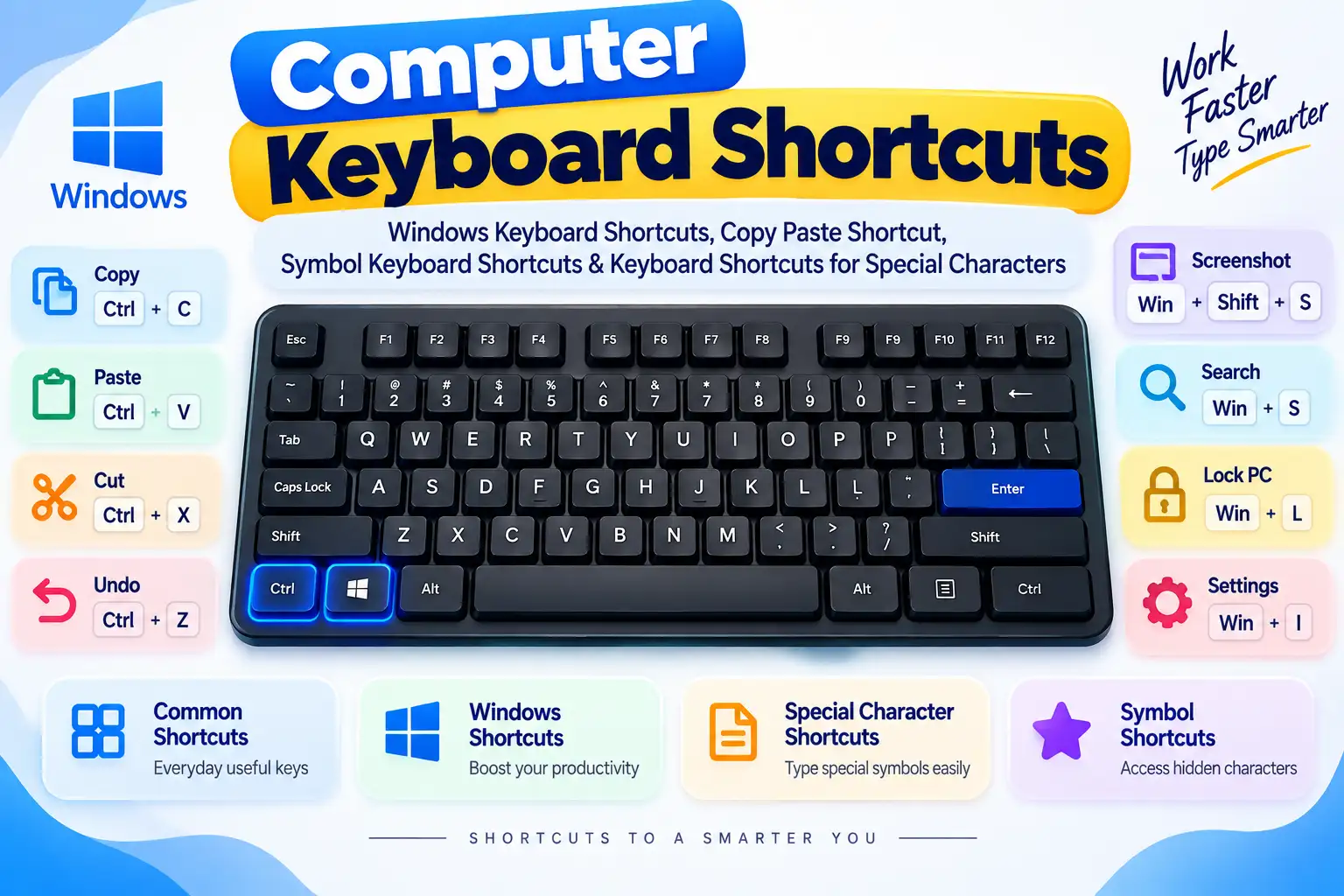
Visual Guide: Typing accented T letters, Alt codes, and dead key shortcuts across all platforms
FREQUENTLY ASKED QUESTIONS
Frequently Asked Questions About Typing T with Accents
The Alt code for t (T with caron / hácek) is Alt + 0357 (capital T is Alt + 0356). For ț (T with comma below), use Alt + 0539 (capital Ț is Alt + 0538). For ţ (T with cedilla), use Alt + 0355 (capital Ţ is Alt + 0354). For ŧ (T with stroke), use Alt + 0359 (capital Ŧ is Alt + 0358). For ṫ (T with dot above), use Alt + 7787 (capital Ṫ is Alt + 7786). For ṭ (T with underdot), use Alt + 7789 (capital ? is Alt + 7788).
On macOS with the ABC Extended keyboard enabled, press Option + v, release, then press t to get t. For t (cedilla), press Option + , then t. For ṫ (dot above), press Option + . then t. For ṭ (underdot), press Option + x then t. For ṯ (line below), press Option + _ then t. For t (stroke), press Option + t. You can also press and hold the t key on your keyboard to reveal the diacritics popup menu.
In Microsoft Word on Windows, type 0165 and immediately press Alt + X to convert it to t. For capital T, type 0164 + Alt + X. For ț, type 021B + Alt + X. For ţ, type 0163 + Alt + X. For ŧ, type 0167 + Alt + X. For ṭ, type 1E6D + Alt + X. For ṫ, type 1E6B + Alt + X.
In Czech and Slovak typography, the standard caron wedge would collide with the tall ascender of lowercase letters like 't' and 'd'. Type designers modified the caron on lowercase t (and d, l) into an apostrophe-like hook attached to the right shoulder of the letter. Capital T has ample room above the horizontal bar and thus displays the standard wedge caron.
Romanian officially uses T with comma below (ț / Ț, Unicode U+021B / U+021A) to represent the voiceless alveolar affricate /ts/ ('ts' as in țară 'country'). The comma is detached from the base letter. T with cedilla (t / T, Unicode U+0163 / U+0162) features a connected hook used in Turkish/Gagauz transliteration. Standard Romanian typography strictly requires the comma-below form.
In Northern Sámi, t (capital T) represents the voiceless dental fricative /?/ (identical to 'th' in English 'thin' or Icelandic 'þ'), as in the word teaksta 'text'.
For t use ť (U+0165); for T use Ť (U+0164); for ț use ț (U+021B); for Ț use Ț (U+021A); for ţ use ţ (U+0163); for Ţ use Ţ (U+0162); for ŧ use ŧ (U+0167); for Ŧ use Ŧ (U+0166); for ṫ use ṫ (U+1E6B); for ṭ use ṭ (U+1E6D); for ƭ use ƭ (U+01AD).
On iOS and Android virtual keyboards, press and hold down the letter t (or capital T). A popup strip displaying ť, ț, ţ, ŧ, and other variants will appear. Slide your finger across to the desired accent mark and release.
A TO Z ACCENT LETTERS & DIACRITICS DIRECTORY
A to Z Accent Letters Hub & Related Diacritics Guides
Need to type other accented letters, umlauts, tildes, cedillas, or special characters? Explore our dedicated accent directories and interactive typing tools below: