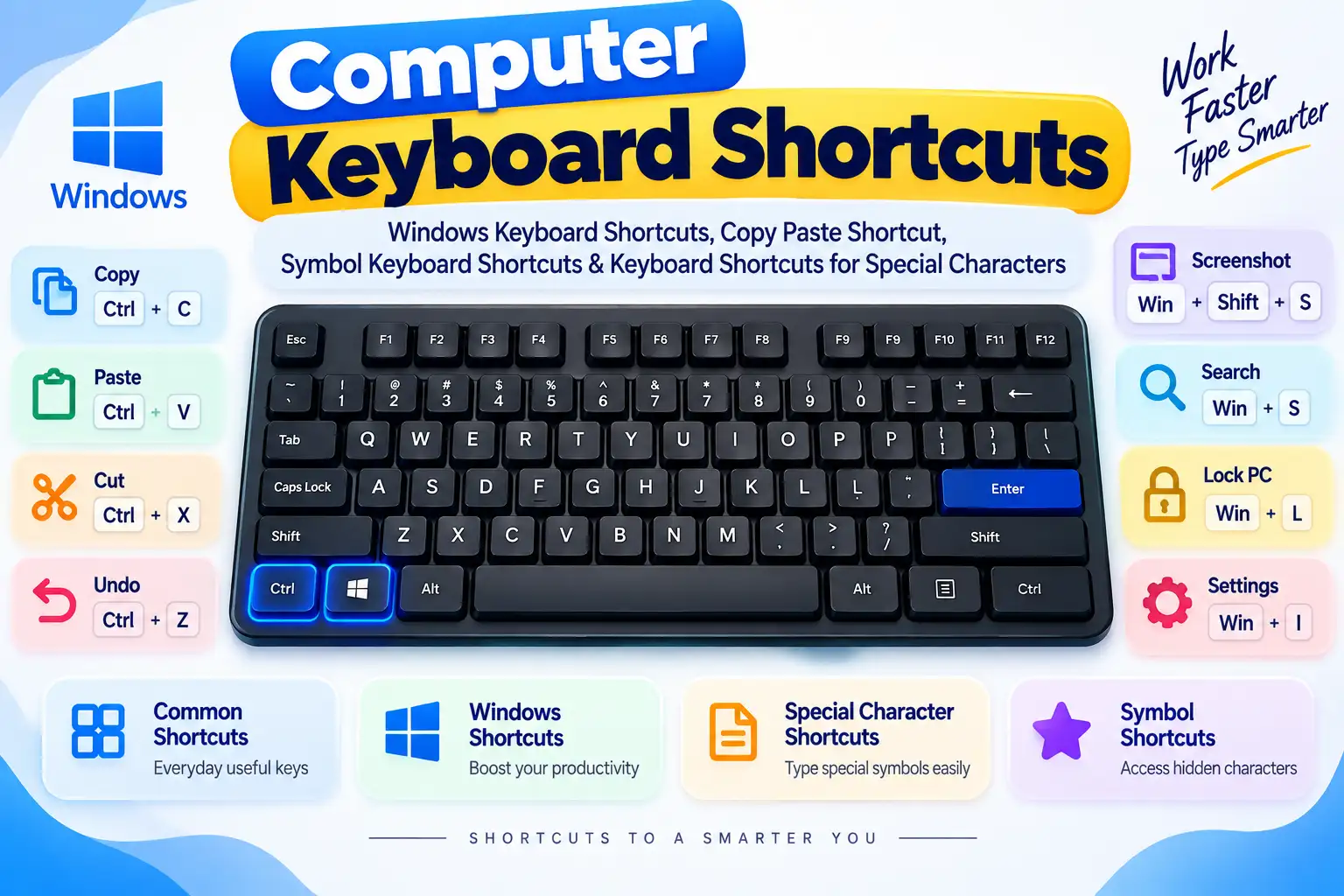
How to Type P with Accent (ṕ, ṗ): Windows, Mac, Word & Mobile Shortcuts
Need to know how to type P with accent marks (ṗ, ƥ, p̄, p̃, ṕ, ᵽ, ᵱ, Ṗ, P̄, P̃, Ƥ) on your computer or phone? Use our 1-click copy buttons below or follow our verified shortcuts for Windows Alt codes (Alt + 7765 / Alt + 7767 / Alt + 0404), Mac Option keys (Option + e, p), Microsoft Word Unicode converter (1E57 + Alt + X), Irish Gaelic ?, African ?, and our complete A to Z accent letters directory.
CLICK TO COPY P WITH ACCENTS INSTANTLY
Unicode: U+1E57•Windows: Alt + 7765•Word: 1E57 + Alt + X•Mac: Option + e, p•HTML: ṕ
The letter P with diacritical marks plays specialized roles in classical Greek and Indo-European pitch accent reconstructions (ṕ), traditional Irish Gaelic lenition (ṗ), African phonetic languages (ƥ), and indigenous South American orthographies (p¯, p~). Below is your complete cross-platform reference table:
Character & Accent Name
Glyph
Windows Alt Code
Word Shortcut
Mac Shortcut
Language / Usage
Unicode / HTML
P with Acute
ṗ / ṗ
Alt+7765 / Alt+7764
Type 1E57 then Alt+X
Opt+e, then p (ABC Ext)
Classical pitch accent & Greek Romanization
U+1E57 | ṕ
P with Dot Above (Ponc Séimhithe)
ṕ / ṕ
Alt+7767 / Alt+7766
Type 1E55 then Alt+X
Opt+., then p (ABC Ext)
Traditional Irish Gaelic lenition (/f/)
U+1E55 | ṗ
P with Macron
p¯ / P¯
Type 0070 then 0304Alt+X
Type 0070 then 0304Alt+X
Opt+a, then p (ABC Ext)
Austronesian (Yanesha') & Phonetics
U+0070+0304
P with Tilde
p~ / P~
Type 0070 then 0303Alt+X
Type 0070 then 0303Alt+X
Opt+n, then p (ABC Ext)
South American indigenous linguistics
U+0070+0303
P with Hook (African Implosive)
ƥ / ƥ
Alt+0404 / Alt+0403
Type 01A5 then Alt+X
Character Viewer / African Alphabets
Serer, Fula (voiceless implosive /ɓ̥/)
U+01A5 | ƥ
P with Stroke
ᵽ
Alt+7549
Type 1D7D then Alt+X
Character Viewer / Phonetic symbols
Uralic Phonetic Alphabet & Proto-language
U+1D7D | ᵽ
WINDOWS OS
How to Type P with Accent on Windows (5 Methods)
Windows personal computers offer multiple hardware and software pathways to insert P with accent marks:
Method 1: Windows Alt Codes (Numeric Keypad)
Using the separate 10-key numeric keypad on the right side of your keyboard (ensure Num Lock is active), hold down the Alt key and type the numerical code:
Method 2: Microsoft Word Unicode Hex Converter (Alt + X)
In any modern version of Microsoft Word, WordPad, or LibreOffice Writer on Windows:
1
Acute (ṕ): Type 1E57 and immediately press Alt + X → converts to ṕ. (For capital Ṕ: type 1E56 + Alt + X).
2
Dot Above (ṗ): Type 1E55 and immediately press Alt + X → converts to ṗ. (Capital Ṗ: 1E54 + Alt + X).
3
Hook (ṕ): Type 01A5 and immediately press Alt + X → converts to ƥ. (Capital Ƥ: 01A4 + Alt + X).
4
Stroke (ᵽ): Type 1D7D and immediately press Alt + X → converts to ᵽ.
Method 3: Windows Emoji & Symbol Panel (Win + .)
Press Win + . (Windows Key + Period) or Win + ;.
Click the Symbols (Ω) icon at the top → navigate to Latin Symbols → click ṕ or ṗ.
APPLE MACOS
How to Type P with Accent on Mac (macOS)
Apple macOS provides native press-and-hold menus and ABC Extended dead keys for P accents:
Method 1: ABC Extended Keyboard Input
If you enable the ABC - Extended layout in macOS System Settings → Keyboard → Input Sources:
Acute (ṕ): Press Option + e, release, then press p → gives ṕ. (Capital Ṕ: Option + e, then Shift + P).
Dot Above (ṗ): Press Option + ., release, then press p → gives ṕ. (Capital Ṕ: Option + ., then Shift + P).
Macron (p¯): Press Option + a, release, then press p → gives p¯.
Tilde (p~): Press Option + n, release, then press p → gives p~.
Method 2: Press-and-Hold Accent Menu (Built-in on macOS)
On a Mac keyboard, press and hold down the letter p (or Shift + p for capital). When the diacritics bubble appears, press the corresponding number or click ṕ.
Method 3: macOS Character Viewer (Ctrl + Cmd + Space)
Press Ctrl + Cmd + Space to open Character Viewer.
Search for p acute or p dot, then double-click ṕ or ṗ.
OFFICE SUITE
How to Type P with Accent in Microsoft Word, PowerPoint & Excel
Microsoft Word Shortcuts
ṗ (Acute): Type 1E57 then press Alt + X. For capital Ṗ: type 1E56 + Alt + X.
ṕ (Dot Above): Type 1E55 then press Alt + X. For capital Ṕ: type 1E54 + Alt + X.
ƥ (Hook): Type 01A5 then press Alt + X. For capital Ƥ: type 01A4 + Alt + X.
ᵽ (Stroke): Type 1D7D then press Alt + X.
Microsoft Excel Formulas
In Excel spreadsheets and formulas, dynamically output P-accent characters using UNICHAR:
How to Type P with Accent on iPhone, iPad & Android
iOS (Apple iPhone and iPad)
Press and hold down the letter p on the virtual touchscreen keyboard.
A popup bubble displaying ṕ, ṗ, and other regional variations will appear. Slide your finger across and lift to insert.
Android (Google Gboard & Samsung Keyboard)
On Gboard and Samsung keyboards, press and hold down the p key.
Slide your thumb across the popup row to select ṕ or ṗ.
LINGUISTIC & GRAMMAR RULES
Linguistic, Historical & Grammatical Significance of P-Accent Marks
Diacritically modified forms of P appear in historical Celtic manuscripts, African phonetic alphabets, and academic linguistic transcriptions:
Traditional Irish Gaelic: Lenition & Ponc Séimhithe (Ṗ / ṗ)
In classical Gaelic orthography (Cló Gaelach):
The Ponc Séimhithe (Overdot): The dot placed directly above ṗ indicated consonant mutation (lenition / aspiration).
Phonetic Mutation: Lenition shifted the voiceless bilabial plosive /p/ into the voiceless labiodental fricative /f/.
Modern Irish Digraph Representation: In modern Roman type spelling adopted in the mid-20th century, ṗ is written as the digraph ph (e.g. mo ṗáiste → mo pháiste "my child", ṗós → phós "married", an ṗictiúr → an phictiúr "the picture").
In African linguistics and the African Reference Alphabet:
The Hooked P (Ƥ / ƥ): Represents the voiceless bilabial implosive consonant /ɓ̥/, an ingressive plosive sound found in Atlantic languages of West Africa such as Serer and varieties of Fula.
Classical Romanization & Pitch Accent (Ṕ / ṕ)
In Indo-European comparative linguistics and Greek transliterations:
Stress Marking: Used in phonetic and phonological reconstructions to indicate high pitch or primary stress falling on an unvoiced bilabial stop.
Austronesian & Indigenous Linguistics (p¯ & p~)
Macron Length (p¯): Used in indigenous Peruvian Yanesha' to represent prolonged or tense bilabial articulation.
Nasalized Stop (p~): Denotes nasalized plosives in phonetic field transcriptions of Amazonian languages.
For software developers, web designers, database architects, and LaTeX typesetters, below is the complete technical character specification for all P-accent variations:
Character
Unicode Code Point
HTML Named Entity
HTML Decimal / Hex
CSS Escape
JavaScript / Python
ṗ (Lowercase Acute)
U+1E57
None
ṕ / ṗ
\1E57
"\u1E57"
Ṗ (Capital Acute)
U+1E56
None
Ṕ / Ṗ
\1E56
"\u1E56"
ṕ (Lowercase Dot Above)
U+1E55
None
ṗ / ṕ
\1E55
"\u1E55"
Ṕ (Capital Dot Above)
U+1E54
None
Ṗ / Ṕ
\1E54
"\u1E54"
ƥ (Hook / Implosive)
U+01A5
None
ƥ / ƥ
\01A5
"\u01A5"
Ƥ (Capital Hook)
U+01A4
None
Ƥ / Ƥ
\01A4
"\u01A4"
ᵽ (Stroke)
U+1D7D
None
ᵽ / ᵽ
\1D7D
"\u1D7D"
Visual Guide: Typing accented P letters, Alt codes, and dead key shortcuts across all platforms
FREQUENTLY ASKED QUESTIONS
Frequently Asked Questions About Typing P with Accents
The Alt code for ṕ (P with acute) is Alt + 7765, and for capital Ṕ it is Alt + 7764. For ṗ (P with dot above), use Alt + 7767 (capital Ṗ is Alt + 7766). For ƥ (P with hook / implosive), use Alt + 0404 (capital Ƥ is Alt + 0403). For ᵽ (P with stroke), use Alt + 7549.
On macOS with the ABC Extended keyboard enabled, press Option + e, release, then press p to get ṕ. For ṗ (dot above), press Option + . then p. For p¯ (macron), press Option + a then p. For p~ (tilde), press Option + n then p. You can also press and hold the p key on your keyboard to reveal the diacritics popup menu.
In Microsoft Word on Windows, type the hexadecimal code 1E57 and immediately press Alt + X to convert it to ṕ. For capital Ṕ, type 1E56 and press Alt + X. For ṗ, type 1E55 and press Alt + X. For ƥ, type 01A5 and press Alt + X.
In traditional Irish Gaelic orthography (Cló Gaelach), the overdot (ponc séimhithe or buailte) over 'p' indicates consonant lenition (aspiration), shifting the voiceless bilabial stop /p/ into the voiceless labiodental fricative /f/. In modern Roman type spelling, ṗ is written as the digraph 'ph', as in mo ṗáiste → mo pháiste 'my child' and ṗós → phós 'married'.
In the African Reference Alphabet and languages such as Serer and Fula (spoken across West and Central Africa), ƥ represents the voiceless bilabial implosive consonant /ɓ̥/ or a glottalized labial sound.
P with macron (p¯) and P with tilde (p~) are used in phonetic linguistics, indigenous South American orthographies (such as Yanesha'), and Pacific Austronesian languages to denote long plosives or nasalized bilabial articulation.
For ṗ use ṗ (U+1E57); for ? use Ṕ (U+1E56); for ? use ṗ (U+1E55); for ? use Ṗ (U+1E54); for ? use ƥ (U+01A5); for ? use Ƥ (U+01A4); for ? use ᵽ (U+1D7D).
On iOS and Android virtual keyboards, press and hold down the letter p (or capital P). A popup strip displaying ṕ, ṗ, ƥ, and other variants will appear. Slide your finger across to the desired accent mark and release.
A TO Z ACCENT LETTERS & DIACRITICS DIRECTORY
A to Z Accent Letters Hub & Related Diacritics Guides
Need to type other accented letters, umlauts, tildes, cedillas, or special characters? Explore our dedicated accent directories and interactive typing tools below: